Dust Control Solutions: The Top Products and Techniques for Effective Dust Management
Dust management is a critical concern in many industries, especially those that involve activities like mining or manufacturing, which generate significant amounts of particulate matter. Implementing effective dust control solutions is not just about maintaining a clean work environment; it’s also about protecting worker health, extending the lifespan of machinery, and ensuring compliance with regulatory standards. This blog post explores the top products and techniques for effective dust management.
The Challenges of Dust Management
Dust, whether from mining activities or hazardous materials, presents multiple challenges:
Health risks: Prolonged exposure to dust can lead to health issues ranging from allergies to serious respiratory conditions like silicosis.
Equipment damage: Dust can infiltrate machinery and equipment, causing premature wear and tear, frequent breakdowns, and high maintenance costs.
Regulatory compliance: Industries must meet strict air quality and worker safety standards. Failure to control dust can result in penalties.
Mining and hazardous dust: The mining industry generates large volumes of dust, while hazardous dust such as asbestos requires specialized handling to prevent exposure.
Top Dust Control Solutions
Several dust control solutions are available, each designed for specific dust types and environments. Among these, the Mining Dust Vacuum Cleaner and the Hazardous Dust HEPA Vacuum stand out for their effectiveness and versatility.
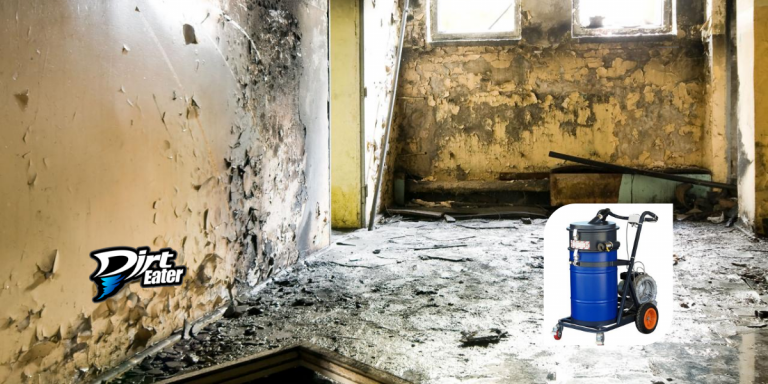
Mining Dust Vacuum Cleaner: This heavy-duty cleaner is designed to manage large volumes of dust in mining operations. It removes dust from air, surfaces, and machinery, improving air quality and reducing equipment wear.
Hazardous Dust HEPA Vacuum: Standard vacuums are not suitable for hazardous dust. HEPA vacuums use high-efficiency particulate air filters capable of capturing 99.97% of particles as small as 0.3 microns, safely containing hazardous materials such as asbestos.
Benefits of Effective Dust Control Solutions
Using effective dust control solutions offers several benefits:
Improved health and safety: Reduced dust levels lower health risks and create a safer work environment.
Extended machinery lifespan: Preventing dust buildup reduces maintenance costs and equipment damage.
Regulatory compliance: Proper dust control helps businesses meet safety and air quality regulations.
Safe handling of hazardous dust: Specialized vacuum systems allow safe and efficient management of hazardous materials.
Case Study: Dust Control in the Mining Industry
An Australian mining company implemented a Mining Dust Vacuum Cleaner as part of its dust control strategy. This resulted in significantly reduced dust levels, fewer equipment failures, and improved worker health, demonstrating the effectiveness of proper dust management solutions.
Choosing the Right Dust Control Solution
Selecting the appropriate dust control solution depends on the type and volume of dust, work environment, and regulatory requirements. Expert guidance can help ensure the best solution is chosen for long-term effectiveness.
Conclusion
Effective dust control is essential for maintaining a safe and productive workplace. By investing in proven dust control solutions such as Mining Dust Vacuum Cleaners and Hazardous Dust HEPA Vacuums, businesses can protect worker health, extend machinery lifespan, and remain compliant with safety regulations.
FAQ
What is the difference between a regular vacuum and a HEPA vacuum?
HEPA vacuums use specialized filters designed to capture extremely small particles. They can trap particles as small as 0.3 microns with an efficiency of 99.97%, making them far more effective than regular vacuums for removing allergens, pollutants, and hazardous dust.