How to Clean Up OIL and Hazardous Liquid Waste with HEPA Vacuum Cleaner
When you’re working with hazardous liquids, oil, and other messy chemicals, you can’t just leave them sitting around. You have to clean up the mess as quickly and efficiently as possible. Fortunately, there’s a simple way to do this: a HEPA vacuum cleaner.
Even if you don’t work in the hazardous chemical industry, a HEPA vacuum makes cleanup much easier. It sucks up spills of oil and other liquids without splattering them all over your floors and walls, making cleanup faster and safer.
A vacuum cleaner is an important piece of equipment that can be used almost anywhere—at home, at work, or even while traveling.
What is a HEPA Vacuum?
HEPA stands for “high-efficiency particulate air.” It is a type of filter used in vacuums to trap dust, pollen, spores, and other tiny particles. When used in a vacuum cleaner, a HEPA filter traps particles of oil and other liquids during cleanup.
This reduces the amount of liquid that re-enters the air and lowers the risk of chemicals splattering onto skin. HEPA vacuums are ideal for cleaning oil spills and hazardous liquids, especially for people who work with chemicals regularly.
What is Hazardous Liquid Waste?
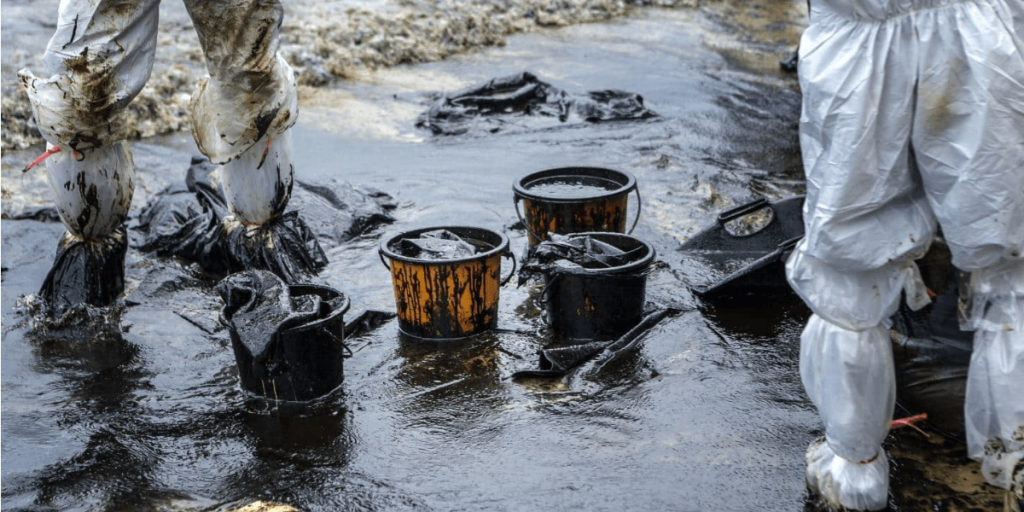
Hazardous liquid waste is any highly flammable, explosive, or toxic liquid that can negatively impact human health and the environment.
Why Is a HEPA Vacuum Important During Oil and Hazardous Liquid Cleanup?
HEPA vacuums are designed to trap tiny particles of dust, dirt, and contaminants. During liquid spill cleanup, oil and chemicals are captured by the vacuum instead of spreading throughout the workspace.
This is due to the vacuum’s powerful suction, which draws liquids through the hose and into the container efficiently—eliminating the need for manual cleanup.
How to Choose a Good HEPA Vacuum for Oily Waste Cleanup
When selecting a vacuum for oily waste cleanup, ensure it has a HEPA filter capable of trapping 99.97% of particles that are 0.3 microns or larger. This ensures even the smallest oil particles are captured.
Consider the following when choosing a HEPA vacuum:
Type of vacuum: Upright, canister, handheld, or robotic vacuums all have different use cases.
Size: Larger vacuums are better for major spills, while smaller units work well in confined spaces.
Power source: Choose between battery-powered or plug-in units depending on your needs.
How to Use a HEPA Vacuum for Oily Waste Emergency Response
Ensure the vacuum has strong suction to quickly remove liquids. A wide mouth allows faster collection, while a long hose helps reach pooled areas. The filter should also be easy to clean to simplify post-cleanup maintenance.
Conclusion
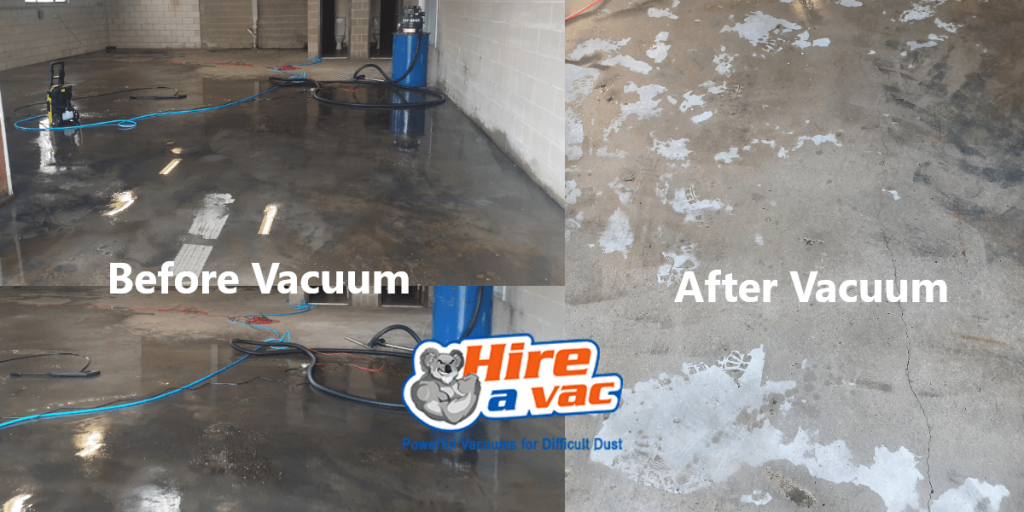
The most effective way to clean up oil and hazardous liquid spills is with a HEPA vacuum. Its strong suction draws liquids into the machine without splatter, reducing exposure to harmful chemicals and keeping surfaces clean.
When fast and safe cleanup is required, a HEPA vacuum is the ideal solution.
Read more on Hire A Vac