How to remove and dispose of asbestos from your home
Asbestos is a naturally occurring mineral that was once widely used in home building and construction. It has since been banned due to its health risks and is considered one of the world’s most dangerous substances. Asbestos fibers can enter your airways and lungs through breathing, eating, or drinking. Once inside the body, these fibers can cause inflammation or scarring, increasing the risk of lung cancer, mesothelioma, and other serious illnesses.
What is asbestos?
Asbestos is a naturally occurring mineral that has been used for centuries in building materials and shipyards. When asbestos-containing materials are disturbed, fibers can be released into the air and inhaled, increasing the risk of serious diseases such as asbestosis, lung cancer, and mesothelioma.
Asbestos-containing materials include:
- Insulation on water pipes and boilers
- Building materials such as flooring tiles, fireproof boards, and cement sheets
- Ductwork in buildings constructed before 1999
Common uses of asbestos
Asbestos was widely used in insulation, construction materials, and fireproofing. It was commonly found in drywall, ceiling tiles, floor tiles, and household items.
- Attic renovations
- Brake dust in home garages
- Drilling into asbestos-containing drywall
- Removing vinyl floor tiles
- Popcorn ceiling removal
- Cutting insulation on pipes
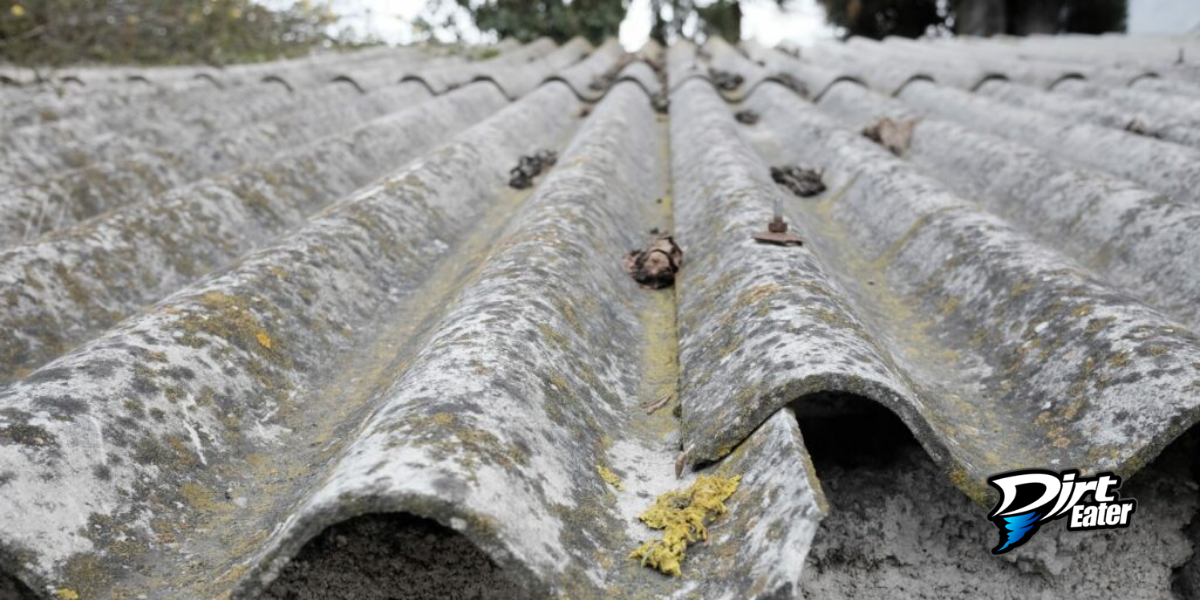
Is there any safe level of asbestos exposure?
No, there is no safe level of asbestos exposure. Any exposure can increase the risk of cancer, mesothelioma, and asbestosis.
Asbestos-containing materials are commonly found in homes built before 1980, including walls, floors, ceilings, pipe insulation, and HVAC ducting. These materials become dangerous when disturbed during renovations or demolition.
What health risks does asbestos pose?
Asbestos is a known human carcinogen. Health risks include:
- Pleural plaques – scarring of lung or chest lining
- Pleural effusion – fluid buildup around the lungs
- Fibrosis – thickening and scarring of lung tissue
Is asbestos testing necessary?
If you plan to remove asbestos, testing is essential to confirm its presence. While testing can be costly, it may still be safer and more economical than improper removal.
Professional asbestos removal services often conduct testing before beginning work, ensuring safe handling and reduced liability.
Common exposure scenarios
- Home renovations involving flooring or drywall
- Demolition of sheds or garages
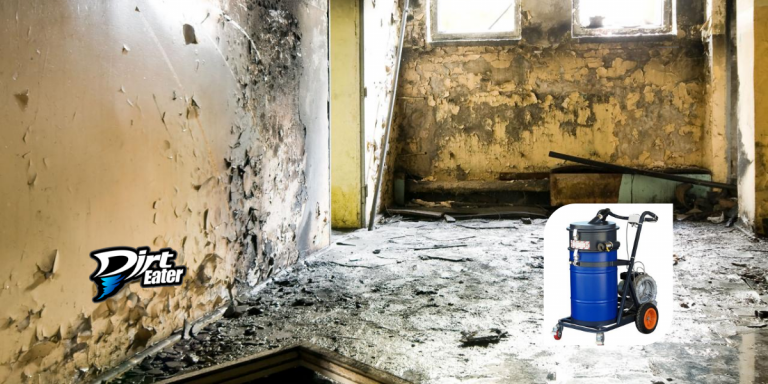
- Fire damage to walls and ceilings
- Homes with asbestos insulation in walls, ceilings, or floors
How do I dispose of asbestos waste safely?
- Do not attempt to remove asbestos yourself
- Do not burn asbestos waste
- Do not use an industrial vacuum cleaner to clean asbestos
- Do not seal asbestos waste in standard plastic bags
- Do not place asbestos waste in household trash
How do I know if my home or property has asbestos?
Signs that asbestos may be present include warning labels, damaged insulation, crumbling materials, or fibrous debris resembling cotton.
If asbestos is suspected, consult a certified asbestos inspector or removal professional.
Should my family and I remove asbestos ourselves?
Only trained professionals with proper equipment should remove asbestos. Attempting removal without training poses serious health risks.
If you are unsure, contact your local health department or an accredited asbestos professional.
Asbestos safety warning
Asbestos poses a serious health risk. Always consult a hazardous materials expert before attempting any work involving asbestos.
Conclusion
If you suspect asbestos in your home, seek professional advice. Proper assessment and removal are essential to protect your health and comply with safety regulations.
References:
- https://www.health.nsw.gov.au/environment/factsheets/Pages/asbestos-and-health-risks.aspx
- https://www.asbestos.vic.gov.au/in-the-workplace/clean-up-and-disposal
- SafeWork NSW and local public health units