Lead Dust Removal and Lead Dust Control: A Step-by-Step Guide
Lead dust is a significant source of lead exposure for children and adults. Lead poisoning can cause lifelong health problems, including developmental delays, learning disabilities, hearing loss, and behavioral disorders. Children are especially at risk because their bodies and brains are still developing.
Lead can enter the body in several ways:
- Ingestion: eating or drinking something that contains lead
- Inhalation: breathing in particles that contain lead
- Absorption through the skin: touching contaminated surfaces
 Where Lead Dust Is Found and Where It Comes From
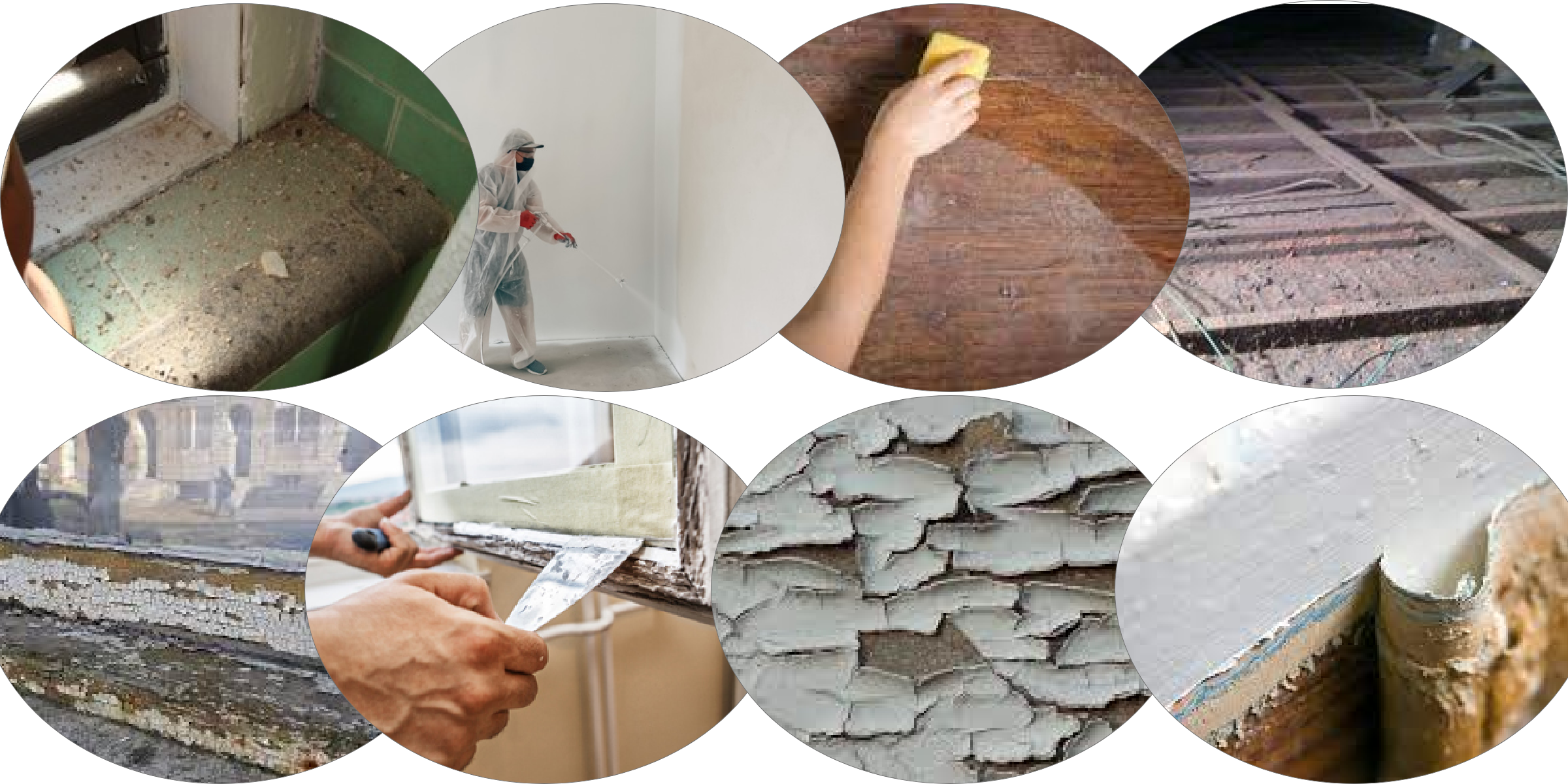
Lead dust can be found in many locations, including:
- Carpets
- Upholstery
- Ceilings and walls
- Floors
- Cabinets and tables
- Chipping or peeling lead-based paint
- Rubbing painted surfaces such as doors and windows
- Renovation and remodeling activities
- Certain hobbies
- Clothing of workers exposed to lead
External sources include soil, industrial activity, demolition, and historical fuel additives.
How to Plan and Prepare for Lead Dust Removal
Lead dust removal requires careful planning and preparation. Before starting, ensure you have the correct equipment and safety measures in place.
- Identify areas requiring cleanup
- Prepare cleaning supplies
- Wear protective clothing and respiratory protection

What Is the Best Way to Safely Clean Lead Dust?
Safe lead dust removal methods include:
Wet scraping
- Wear a P2 particulate respirator
- Use plastic drop sheets
- Collect debris carefully
Chemical strippers
- Use proper PPE
- Ensure ventilation
- Consult safety data sheets
Wet hand sanding
- Keep surfaces wet
- Wash down areas thoroughly
Dry power sanding with HEPA vacuum attachment
- Only use trained operators
- Use HEPA-filtered vacuum systems
What Equipment Do I Need for Lead Dust Removal?
- Dust mask or respirator
- HEPA vacuum cleaner
- Gloves
- Protective eyewear
- Coveralls or apron
 How Often Do I Need to Clean Up Lead Dust?
Low-level exposure may require cleaning every 3–6 months. Higher exposure levels may require weekly or monthly cleaning.
Conclusion
You should now understand how lead dust forms, where it is found, and how to safely remove it.
For more information:
- https://services.anu.edu.au/files/guidance/QMS-FS-GUI-20-019_Rev%200_Lead%20Paint%20Removal%20Guidance%20Document_20190913.pdf
- https://lead.org.au/fs/fst37.html
- https://www.safeworkaustralia.gov.au/safety-topic/hazards/lead/overview