Vacuum Cleaners for Construction Sites: The Issue of Dust and Tailings
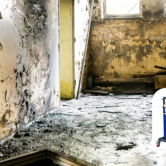
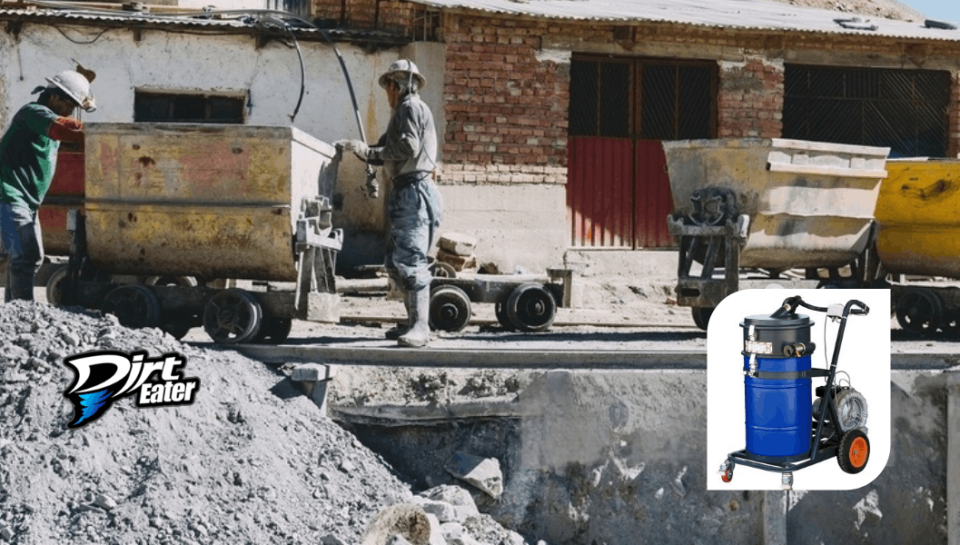
When it comes to construction sites, managing dust and tailings is a major concern for project managers and workers alike. The presence of dust can not only affect the health of workers but also impact the efficiency and cleanliness of the work environment. This is where the role of vacuum cleaners specifically designed for construction sites becomes pivotal.
The Importance of Dust Management in Construction
Health Implications
Dust at construction sites, often containing silica, can lead to serious respiratory issues like silicosis. Long-term exposure can cause chronic health problems for workers, making dust management not just a matter of cleanliness, but of occupational health and safety.
Impact on Equipment and Work Quality
Excessive dust can also damage construction equipment and affect the quality of work. It can lead to mechanical failures, reduced visibility, and compromised precision in tasks.
Choosing the Right Vacuum Cleaner for Construction Sites
Types of Vacuum Cleaners
- Industrial-Grade Vacuum Cleaners: Designed to handle large volumes of dust and heavier particles.
- HEPA Filter Vacuum Cleaners: Equipped with high-efficiency particulate air filters, ideal for trapping very fine dust particles.
Key Features to Look For
- Power and Suction Capabilities: Essential for effectively collecting dust and debris.
- Durability and Mobility: Construction site vacuums must withstand harsh conditions and be easily transportable.
- Filter Efficiency: Ensuring that the vacuum captures the maximum amount of dust.
Comparing Top Vacuum Cleaners for Construction Sites: Dirt Eater Jr vs. Dirt EATER
When selecting a vacuum cleaner for construction sites, it’s essential to choose a model that not only handles the rigors of a construction environment but also prioritizes worker safety and efficiency. The Dirt Eater Jr and Dirt EATER are two notable options in this category.
Dirt Eater Jr: HEPA Filter & Hazardous Dust Vacuum Cleaner
- Certification for Hazardous Dust: Type H certified, suitable for collecting hazardous dust like lead, silica, and asbestos.
- Waste Bin Capacity: 40L capacity reduces disposal frequency.
- Hose Length: 5-metre hose provides excellent reach.
- Dust Collection Method: Uses a plastic bag for safe disposal.
- Build Quality: Strong, rugged design for harsh construction environments.
Dirt EATER: Advanced Industrial Vacuum Cleaner
- Powerful Suction: 32 kps suction for heavy and stubborn debris.
- Robust Construction: 2mm thick steel body for durability.
- High-Quality Seals and Fasteners: Pharma/Food-grade silicon seals and stainless steel fasteners.
- Sophisticated Filter Design: Engineered materials improve filtration efficiency.
- Heavy Duty Tools: Industrial-grade tools for versatile cleaning tasks.
Both models offer distinct advantages. Dirt Eater Jr is ideal for hazardous materials due to its HEPA filter and Type H certification.
Dirt EATER excels in heavy-duty applications with its powerful suction, durability, and advanced filtration.
The final choice depends on site requirements, debris type, usage frequency, and dust control needs.
Innovative Technologies in Construction Site Vacuum Cleaners
Automated Filter Cleaning Systems: Self-cleaning filters ensure consistent suction and efficiency.
Smart Connectivity and Remote Operation: IoT integration allows remote monitoring and control.
Customizable Attachments: Specialized tools for various cleaning requirements.
HEPA Filtration: Captures up to 99.97% of particles as small as 0.3 microns.
Multi-Surface Cleaning Technology: Automatically adapts to different floor types.
Maintenance and Safety Tips
Regular Maintenance
Routine cleaning, filter replacement, hose checks, and motor inspections ensure long-term performance.
Safety Practices
Follow safety guidelines, use protective gear, and store equipment properly.
Cost-Benefit Analysis
Though initial costs may be higher, long-term health, efficiency, and maintenance benefits outweigh them.
Conclusion
Choosing the right vacuum cleaner for construction sites ensures a cleaner, safer, and more efficient work environment. Investing in the right equipment is an investment in project success.