What Is an H Class Vacuum Cleaner? Explained!
Introduction
Are you thinking about purchasing a new vacuum cleaner to help clean your home? If so, then you must ensure that you’ll purchase only the best one!
One characteristic of the H Class Vacuum Cleaner that sets it apart from other vacuum cleaners is its ability to operate in hazardous environments. If you haven’t heard of one before, this is the perfect opportunity to discover the benefits provided by an H Class Vacuum Cleaner.
In this article, we’ll explore how these vacuum cleaners work and the science behind them.
What does Dust Class H mean?
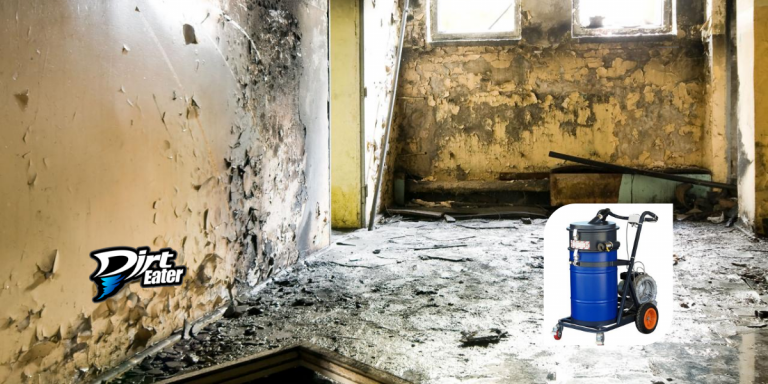
H-class vacuum cleaners are designed for use in hazardous environments such as asbestos and lead abatement. They are capable of capturing 99.97% of particulate matter and are commonly referred to as HEPA (High-Efficiency Particulate Air) vacuums.
H-class vacuum cleaners can be used in industrial, commercial, and residential applications such as:
- Asbestos removal
- Lead abatement
- Mold remediation
- HVAC duct cleaning
Are there different types of H-class vacuum cleaners?
There are different types of H-class vacuum cleaners, including:
- Wet and dry vacuum cleaners
- Wet-pickup wet/dry vacuums
- General-purpose vacuums
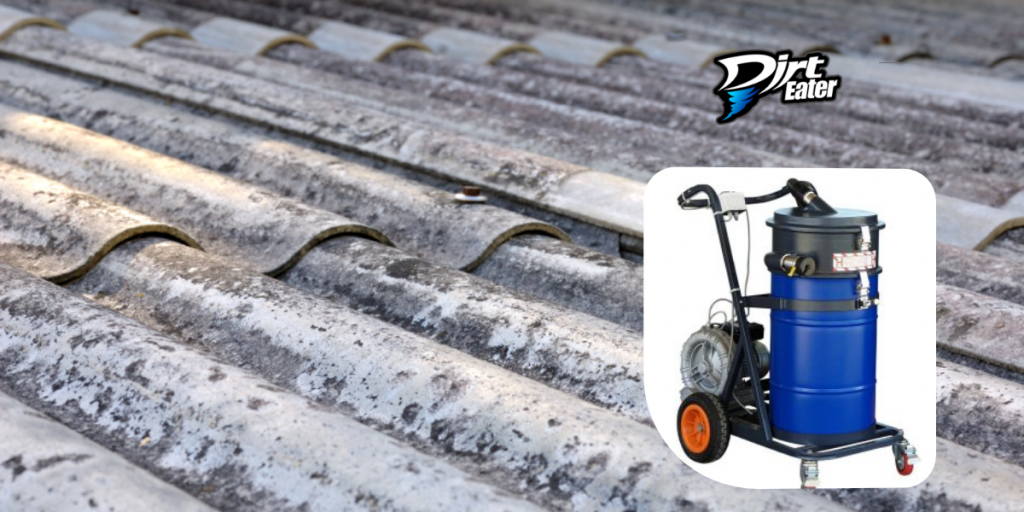
How to Use a Class H Vacuum Cleaner for Asbestos
- Using a HEPA vacuum cleaner is the safest way to remove asbestos, as HEPA filters capture 99.97% of particles down to 0.3 microns.
- Small handheld vacuums may work for non-hazardous dust, but larger commercial models are required for significant debris or hazardous materials.
Equipment
- You can hire a vacuum cleaner suitable for asbestos work.
- Ensure equipment is clean and in good working order.
- Hiring companies should test equipment thoroughly before rental.
- Risk assessments should be conducted regularly.
Procedures
- Pick up large debris manually and dispose of it safely.
- Vacuum carefully to avoid disturbing asbestos fibers.
- Avoid vacuuming wet materials that may damage HEPA filters.
- Use appropriate attachments for floors, fabrics, and hard surfaces.
- Avoid brush attachments, as they are difficult to clean.
What are the different classes of vacuum cleaners?
Vacuum cleaner classes refer to their suction capability and intended use:
- Class L – Low-risk dust and light cleaning tasks.
- Class M – Medium-risk dust and more demanding applications.
- Class H – High-risk hazardous dust applications.

Source: Images
Read more: Lead Dust Removal and Lead Dust Control: A Step-by-Step Guide
Discover the benefits of using an H-class vacuum cleaner
An H-class vacuum cleaner is an industrial vacuum cleaner in Australia designed for harsh environments such as manufacturing plants, warehouses, and processing facilities.
These machines are built with durable materials and powerful motors to withstand demanding conditions while maintaining optimal performance.
What vacuum cleaners do professionals use?
H-class vacuum cleaners are commonly used in industrial and commercial environments due to their efficiency and heavy-duty performance.
- Powerful motor – Ensures fast and effective dust removal.
- Large dust capacity – Supports continuous daily use.
- Lightweight design – Reduces fatigue during extended operation.
Conclusion
The H-class vacuum cleaner is a reliable solution for industrial and commercial environments requiring safe and effective hazardous dust removal. With strong suction, durability, and efficiency, it supports safer workplaces and improved productivity.